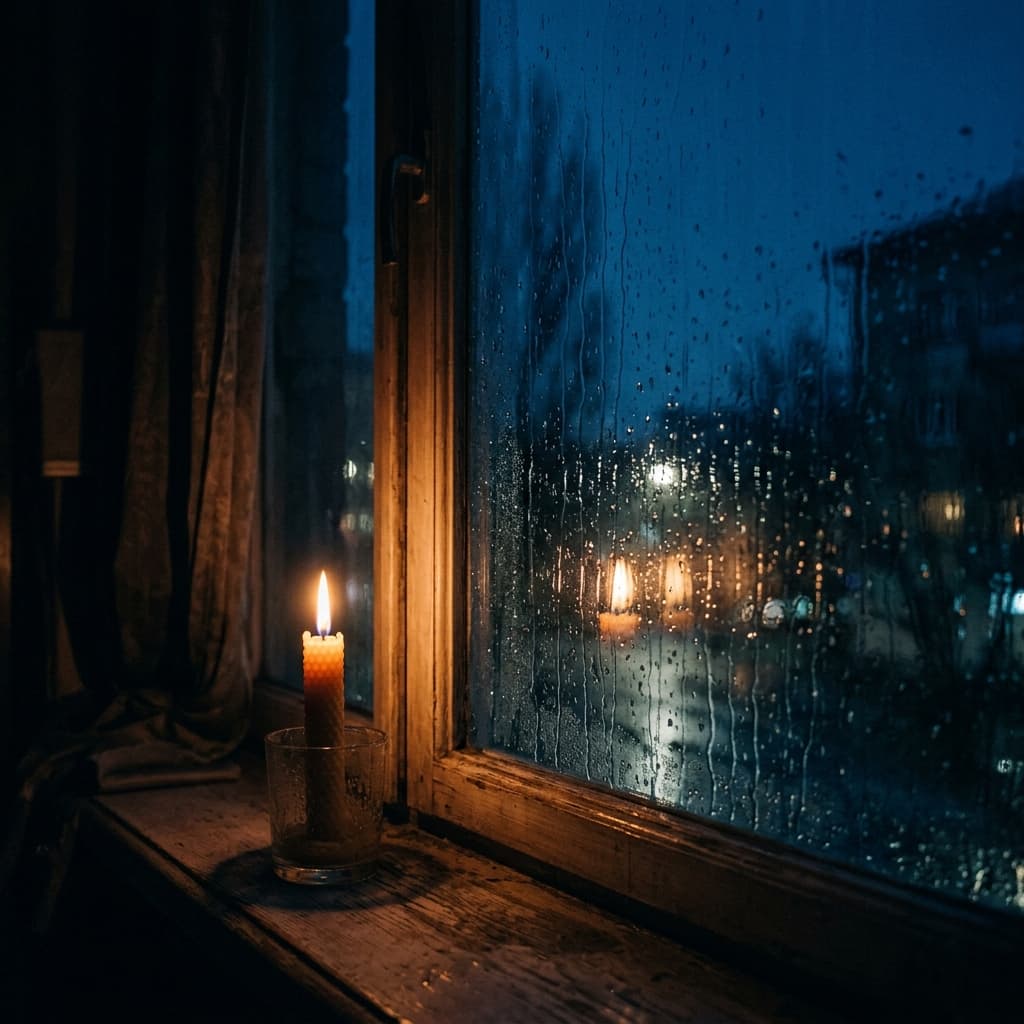
When we know that life has an end, we finally begin to truly live it. This is the most valuable lesson taught to us by those nearing their last breath. For more than eight years,Bronnie Ware, a palliative care nurse in Australia, collected the confidences of hundreds of patients in their last weeks of life. What she discovered is both shocking and universal: the same regrets return, again and again.
These fiveend of life regretsdo not talk about money, career, or material possessions. They talk aboutcourage, fromhuman relationsandloyalty to oneself. And most importantly: it's never too late to change course.
1. “I wish I had the courage to live the life I wanted, not the life others expected of me”
It is the number one, most frequent and most painful regret. Most people at the end of their lives realize that they have spent decades following a path set by their parents, their partner or society, without ever daring to take their own.
Why this regret is so common
Social pressure begins in childhood. We are taught to be reasonable, to choose security over passion. And when life comes to an end, the question that comes up is always the same:“What would I have done if I had been less afraid? »
How to avoid it
Take the time today to write down in black and white what really matters to you. Not what society expects. Not what your family wants. WhatYOU, deep inside you, deeply desire. Adigital time capsulecan be the ideal medium to set this intention and transmit it to your loved ones or your future self.
2. “I wish I hadn’t worked so much”
This regret is expressed by almost all the men interviewed by Bronnie Ware, and more and more women. They missed their children's childhood, their partner's presence, and the little daily joys, all for a job that, in the end, did not define them.
The productivity trap
We live in a culture that glorifies constant busyness. Being “overwhelmed” has become a sign of success. But on adeathbed, no one ever said:“I would have liked to spend more time in the office. »
How to avoid it
Create rituals ofintergenerational transmissionright now. Spend quality time with your children and parents.Ask your grandparents the essential questionswhile there is still time. These moments will not come back.
3. “I wish I had the courage to express my feelings”
How many “I love you” words get stuck in your throat? How many conflicts could have been resolved by a sincere conversation? The third regret of the dying is that ofunspoken words.
The weight of silence
Many people suppress their emotions to maintain peace or avoid conflict. But this silence ends up weighing more heavily than any argument. It breeds bitterness, distance, and above all, deep remorse.
How to avoid it
Don't wait until it's too late. Write a letter to those you love. Tell them how you feel, even if it feels awkward. Today, thanks to tools likeThe Posterity Project, you can record a video message, write a heartfelt text, and schedule it to be delivered at the time you choose. It's the assurance of notNeverletting the unspoken words weigh on your conscience.
4. “I would have liked to stay in touch with my friends”
Friendship is often the first casualty of adult life. Work, children, moving... The years pass and, one day, we realize that we have lost sight of the people who mattered most.
The loneliness of old age
Theloneliness of the elderlyis a major public health problem. According to INSEE, more than 2 million people over 60 suffer from isolation in France. And many of them remember lost friendships with nostalgia.
How to avoid it
Take the first step. A simple message, a phone call, a visit. And if you want to go further, create a shared space fortell the story of your friendship. Shared memories are the strongest glue in any human relationship.
5. “I wish I could have allowed myself to be happier”
The most surprising of all regrets. Many people realize, at the very end, that thehappiness was a choicethat they never dared to do. They allowed themselves to be locked into habits, thought patterns, and fears that prevented them from enjoying life.
Happiness as an act of courage
Being happy in a world that values stress and sacrifice is aact of rebellion. This requires lucidity, gratitude, and above all, permission to rejoice without guilt.
How to avoid it
Start a gratitude journal. Every evening, write down three things you are grateful for. And if you want to anchor this practice over time, use atime capsuleto write a message to your future self, reminding him of the little joys of today.
What these regrets teach us about transmission
These five regrets are not condemnations. These areinvitations to live differently. Each day that passes is an opportunity to:
- Darebe authentic
- Slow downto be present
- Expresswhat it feels like
- Maintainthe links that matter
- Choosehappiness
The most beautiful form ofintergenerational transmissionis not money or material goods. It's about showing your children and loved ones that you've lived a full, authentic life without regrets.
Leave a trace before it's too late
You don't need to wait until the end of your life to take stock. You can start today by writing to those you love, recording your memories, or creating aemotional legacywhich will pass through the generations.
The Posterity Projectallows you to create a draft time capsule or memorial space for free. No unspoken words. No regrets. Just the essentials, preserved forever.