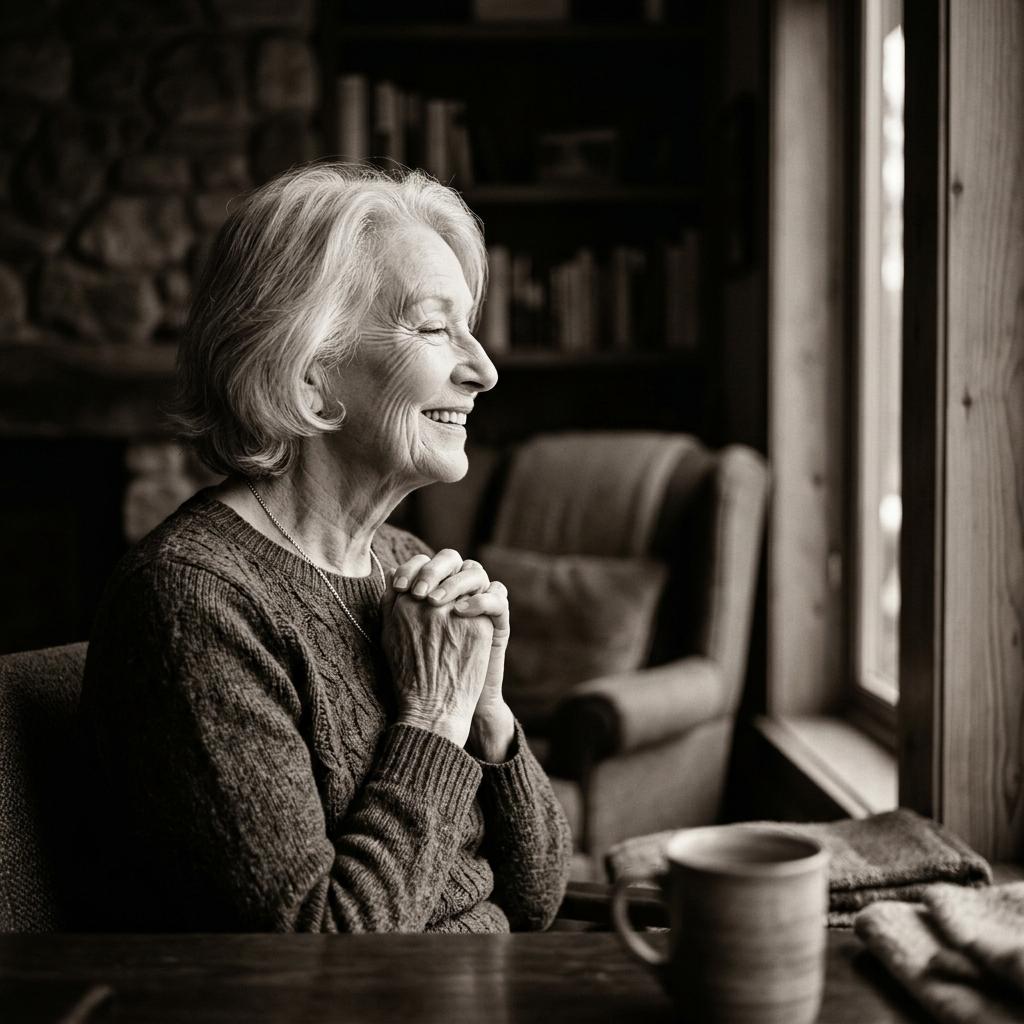
We don't talk enough aboutperinatal bereavement. Each year in France, approximately7,000 familiesare faced with the loss of a baby during pregnancy or in the first days after birth. It is an invisible mourning, often minimized by those around us, and yet incredibly violent.
This article is aimed at those who are going through this ordeal, and at those who want to understand in order to provide better support. Because a child gone too soon deserves to berecognized, named and honored.
Why perinatal bereavement is so special
Mourning without shared memories
The specificity of perinatal mourning is the absence ofcommon memories. Unlike the mourning of a parent or a friend, where we can cling to anecdotes, conversations and moments experienced together, here, the memories are mainly internal: the kicks in the stomach, the ultrasounds, the imagined first names, the dreamed projects.
This lack of “material” to nourish the memory makes mourning more difficult to express and share with those around you.
A socially invisible mourning
Our society is sorely lacking in words and rituals to accompany the loss of a baby. Clumsy sentences flow:
- “You are young, you will have others. »
- “At least you didn't know him. »
- “It’s nature doing its job. »
Each of these sentences, even if spoken with kindness,denies the reality of mourning. She says implicitly: “Your pain is not legitimate. » And this invalidation is an additional trauma.
Recognizing this child: a fundamental act
The first name as an act of recognition
Give afirst nameto the lost child — even if he never breathed — is a powerful gesture of recognition. This first name says to the world:“This person existed. She is part of our family. She counts. »
In France, since 2008, it has been possible to declare a child born dead to the civil registry, regardless of the term of the pregnancy. This administrative act, as bureaucratic as it may be, is often experienced as aimmense reliefby the parents.
The importance of rituals
Rituals help structure mourning. They give a framework to the pain and allowtransform into an act of meaning:
- An intimate ceremony: Even without a formal funeral, a small private ceremony (lighting a candle, reading a text, planting a tree) can mark this child's passage into the world.
- A memory object: A footprint, a maternity bracelet, a framed ultrasound. These objects becomeemotional anchorsto hold on to.
- A place of memory: Physical (a grave, a garden of remembrance) or digital (anonline commemorative spaceaccessible at any time).
5 ways to honor this child's memory
1. Create a dedicated memory space
A space – physical or digital – where you can place ultrasound photos, letters, symbolic objects. This space is not morbid. He issacred. This is tangible proof that this child mattered.
WithThe Posterity Project, you can create a private memorial space, accessible only to those you choose, where your child's memory is preserved with dignity.
2. Write a letter to this child
Tell him who you are. Describe to him the world he was to be born into. Tell him everything you dreamed of for him. This letter is an act of emotional liberation of rare power.
“My little angel, you will never know how much you were expected. Your room was ready, your first name was chosen, and your dad was already rehearsing the songs he wanted to sing to you. You existed. You still exist. In our hearts, forever. »
3. Establish an annual ritual
On the day of your due date or loss, create a recurring ritual:
- Light a candle
- Release a balloon
- Plant a flower in the garden
- Reread the letter you wrote to him
This ritual turns the most painful day of the year into aconscious act of love.
4. Name this child in the family tree
Many families are hesitant to include a stillborn child in the family history. Yet he is part of the family. To include it in the family tree, to mention it in family stories, is to give itplace it deservesin the chain of generations.
5. Surround yourself with people who understand
Perinatal bereavement support associations such asLittle Emilie,AGAPAorOur Little Onesoffer support groups where pain is heard, recognized and shared. You are not alone in this ordeal.
A word for loved ones
If someone you know is going through perinatal loss, here are the most important things to know:
- Name the child: If the parents gave him a first name, use it. It’s the greatest form of recognition.
- Don't minimize: Any sentence beginning with “at least” should be avoided.
- Be present: No need to find the right words. Yoursilent presenceworth all the talk in the world.
- Don't forget the date: A birthday message, even a simple “Thinking of you,” can mean the world to grieving parents.
Memory as an act of healing
Perinatal grief cannot be “cured”. We don’t “move on.” We learn to livewith. And memory — the act of naming, recognizing, preserving — is the most powerful tool parents have to transform that pain into something beautiful.
Your child existed. He deserves his own space, a place where his passage in this world is celebrated, even if it only lasted a moment.