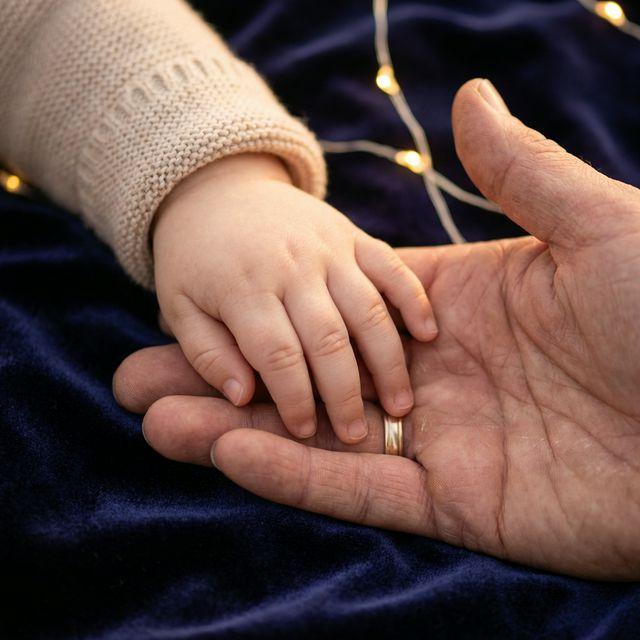
The Truth Explained with Gentleness
Discussing death with a child is often a source of deep anxiety for parents. We have a natural instinct to protect them from suffering. Yet, psychologists unanimously agree: hiding the truth or using confusing metaphors (such as "they went on a long journey" or "they fell asleep") can generate persistent fears in young children.
The challenge is not to mask reality, but to wrap it in simple, clear words adapted to their level of understanding. Explaining that the body has stopped functioning allows the child to rationalize the event, while listening to their questions — even the most surprising ones — legitimizes their right to feel sadness, anger, or fear.
Creating a Bridge Between Absence and Memory
For a child, the irreversibility of death is an abstract concept. This is where materializing remembrance plays a fundamental role in healing. Creating a memory box together, looking at photos, or reading a letter left by the deceased are powerful therapeutic acts.
Technology today offers new emotional sanctuaries. Knowing that the story of their parent or grandparent is preserved in a safe place, accessible when they feel the need during adolescence or adulthood, provides an invaluable anchor for their psychological development.
Memory as a Legacy of Resilience
A child's grief does not end — it evolves with them. At each stage of their life, they will revisit the loss with new maturity. The right words spoken today are seeds of resilience for tomorrow.
By accepting to speak openly about the finitude of life, we pass on our most precious lesson: love and transmission defy the laws of physical existence. Those who love us never truly leave, because they continue to live through our stories, our values, and the indelible traces they left in our family heritage.