The Illusion of Eternity
Modern society has made death an absolute taboo, a medical anomaly that should be hidden away in sterile hospital rooms. By fleeing from the idea of our own end, we slip into the illusion of eternity. This illusion is the silent poison that makes us postpone our dreams to "later," tolerate toxic relationships, and waste our Mondays in boredom.
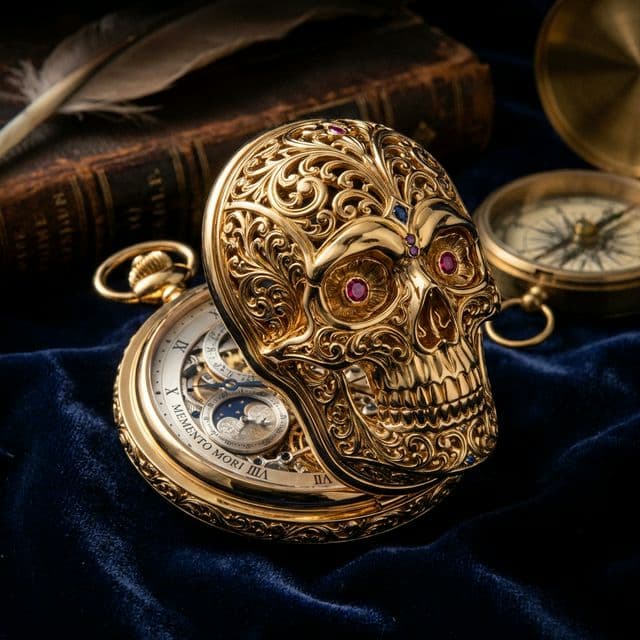
The Greek and Roman philosophers, on the other hand, cherished the phrase "Memento Mori" (Remember that you will die). It was not a macabre threat, but a brutal and invigorating wake-up call. Realizing that the clock is ticking is the only way to give urgency and intensity to our existence.
Death as a Life Compass
If you knew with certainty that you had only one year left to live, would you spend an hour arguing on social media? Would you hold onto your grudges? Probably not. This is the magnificent paradox of death: accepting our finitude is what radically illuminates our present.
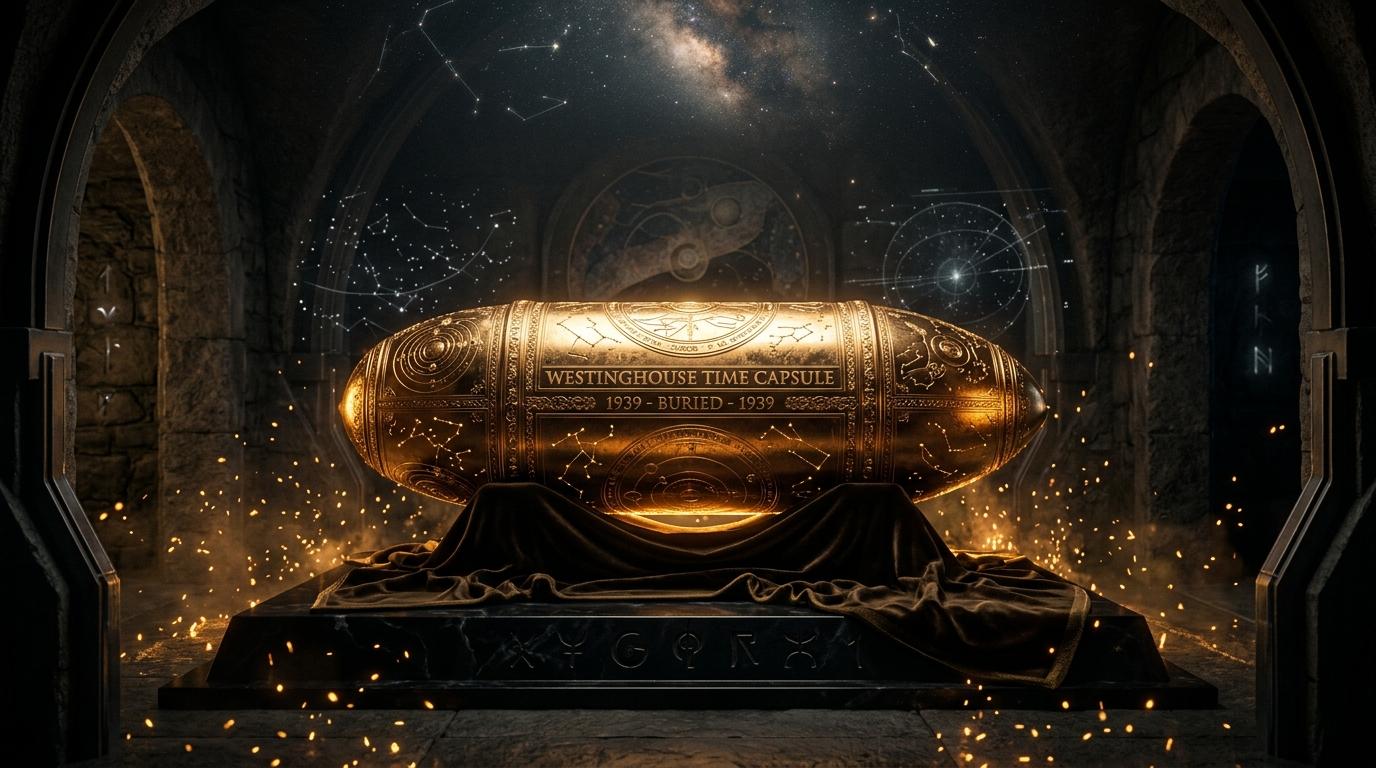
Preparing your departure during your lifetime (organizing your memories, writing your final wishes, creating your time capsules) does not hasten the end. On the contrary, doing so provides an immense sense of completion and peace. Once this weight is lifted, the mind is finally free to devote itself to pure joy.
Bequeath Liberation, Not a Burden
Living intensely also means assuming responsibility for what you leave behind. A modern Memento Mori consists of organizing your posthumous serenity. Tidying your digital affairs, entrusting your intimate thoughts to Posterity, and dictating the organization of your memory means offering your loved ones the luxury of celebrating your life rather than enduring the administration of your death.
Combining the awareness of death with the love of life is the highest form of wisdom. It is only by accepting that we will fade one day that we can truly leave an indelible mark.