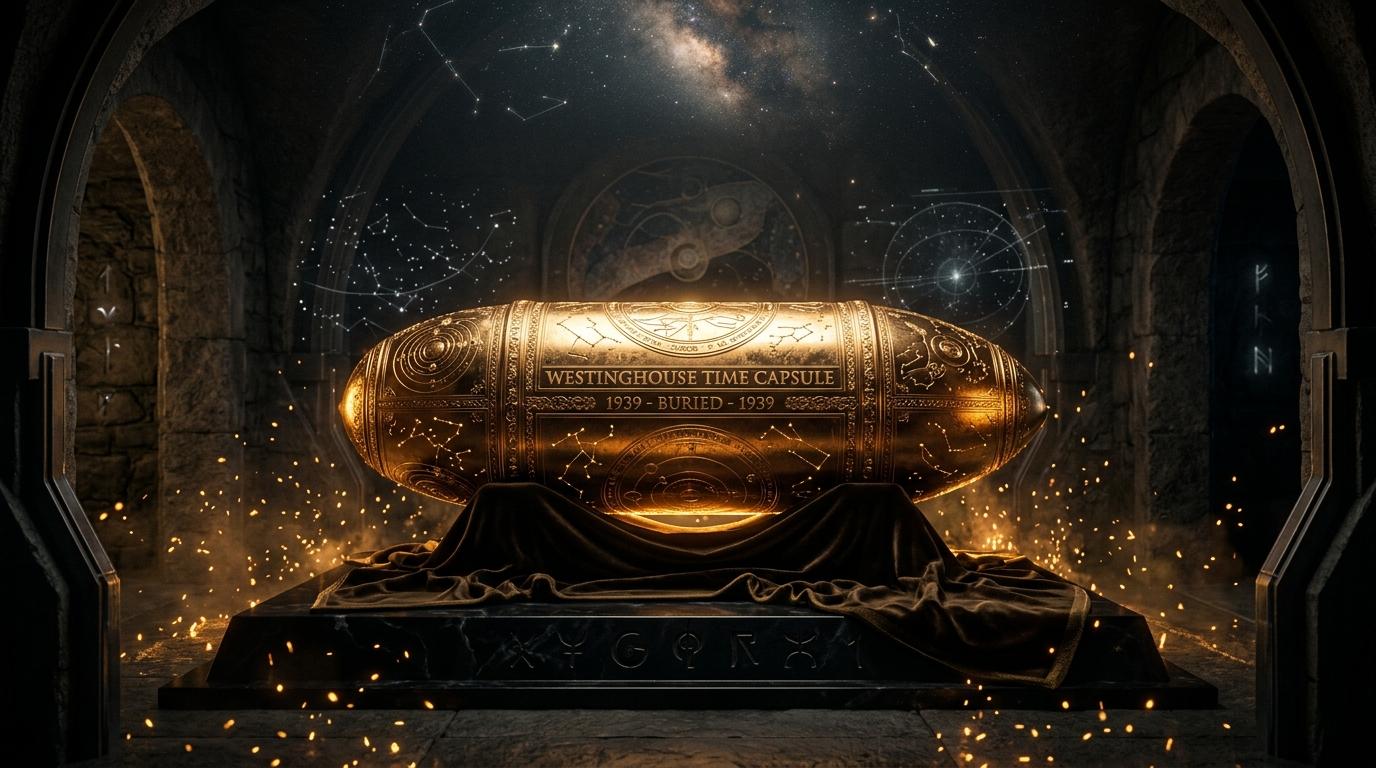
Death is the last taboo in Silicon Valley. For decades, tech giants ignored the issue, focused on productivity, entertainment and commerce. But a new wave of daring entrepreneurs has decided to tackle the unthinkable:what if technology could transform the way we die, remember and transmit?
Welcome to the world ofDeath Tech— a booming sector that already weighs more than150 billion dollarsin the world and which redefines our relationship to mourning, memory and heritage.
What is Death Tech?
TheDeath Tech(or "technology of death") brings together all technological innovations linked to:
- Theend of life planning(digital wills, online funeral planning)
- Thedigital mourning(memorial spaces, post-mortem social networks)
- Thememory preservation(time capsules, digital biographies)
- Thedigital immortality(AI avatars, chatbots of the deceased)
It's an ecosystem that goes far beyond funeral homes. It touches on fundamental questions:What remains of us after we die? How can we control our digital legacy? And how can technology ease grief?
The 4 pillars of Death Tech
1. Virtual cemeteries and online memorial spaces
The first pillar is perhaps the most visible: the creation of digital spaces dedicated to remembrance. Unlike a stone tomb, avirtual cemeteryisaccessible everywhere, all the time, from any device.
These spaces allow:
- Gatherphotos, videos and testimonialsin one place
- Invite family and friends to contribute, regardless of geographic distance
- Create apermanent place of contemplationwhich requires no maintenance or concession
It is the natural evolution of the funerary monument in the Internet age. And that's exactly whatThe Posterity Projectwith its premium memorial spaces.
2. Digital mourning and online support
The second pillar concerns support for the bereaved. For centuries, mourning was a community process: the family gathered, neighbors brought meals, the entire village participated in the rituals. Today, in our individualized societies, many people go through mourningalone.
Death Tech offers answers:
- Grief support appswith exercises guided by psychologists
- Online Communitiesof people going through the same ordeal
- Digital Grief Journalsto express your pain in complete privacy
Thedigital mourningis a social phenomenon that profoundly transforms our relationship with loss.
3. Time capsules and scheduled transmission
The third pillar is that ofintergenerational transmission augmented by technology. The idea is simple but revolutionary: allow a person to write messages, record videos or collect memories, andschedule their delivery in the future.
Imagine:
- A father recording a message for his daughter, timed for her wedding day
- A grandmother writing a letter to an unborn grandchild
- A couple who send each other a capsule every year for their anniversary
This is what thedigital time capsules: an emotional bridge between the present and the future, which survives even the disappearance of its creator.
4. Digital immortality and AI
The fourth pillar is the most controversial and the most fascinating. Companies are developingAI avatarsable to reproduce the voice, writing style and even personality of a deceased person.
Startup HereAfter AI, for example, allows users to record conversations while they're alive, which are then turned into a conversational chatbot after they die. Relatives can thus “talk” to their missing relative.
Ethical questions
This technology raises profound questions:
- Is this healthy for the grieving process?Some psychologists warn of the risk of “frozen grief,” where the person never comes to terms with the loss.
- Who controls the avatar?Did the deceased give consent? Who decides what AI can say?
- Where does memory end and fiction begin?An AI avatar is not the person. It is a statistical approximation based on data.
Why Death Tech is exploding now
The aging of the population
In France, 20% of the population is over 65 years old. By 2050, this figure will reach 30%. This demographic reality pushes families to anticipate the question oftransmission and memory.
The pandemic as an accelerator
COVID-19 has forced millions of people to face death without being able to accompany their loved ones. Remote funerals, farewells by videoconference and the impossibility of meeting physically have exploded the demand for digital solutions for memory and bereavement.
The digital native generation
Millennials and Gen Z live their entire lives online. It is natural for them to want theirdigital heritagebe as neat as their presence on social networks. The question is no longer“Will I leave a digital trace? »but“What trace will I choose to leave? »
Death Tech in France: a gap to fill
If the United States and the United Kingdom are ahead on the subject, France is significantly behind. The reasons are multiple:
- Acultural taboostronger around death
- A funeral sector still verytraditionalist
- A lack of funding for startups in the sector
However, French initiatives are emerging.The Posterity Project, for example, offers a premium and respectful approach to memory, combining commemorative spaces, time capsules and personal heirlooms in a multilingual and international setting.
What Death Tech will never replace
Despite all these innovations, it is essential to remember that technology will never replace:
- Ahugin a moment of mourning
- Asilent presenceat the bedside of a dying person
- Thecollective rituala funeral or alife ceremony
Death Tech does not claim to replace humans. She claimsincrease it. Offering tools so that memory does not fade, so that unsaid words find a way, and so that love survives time.