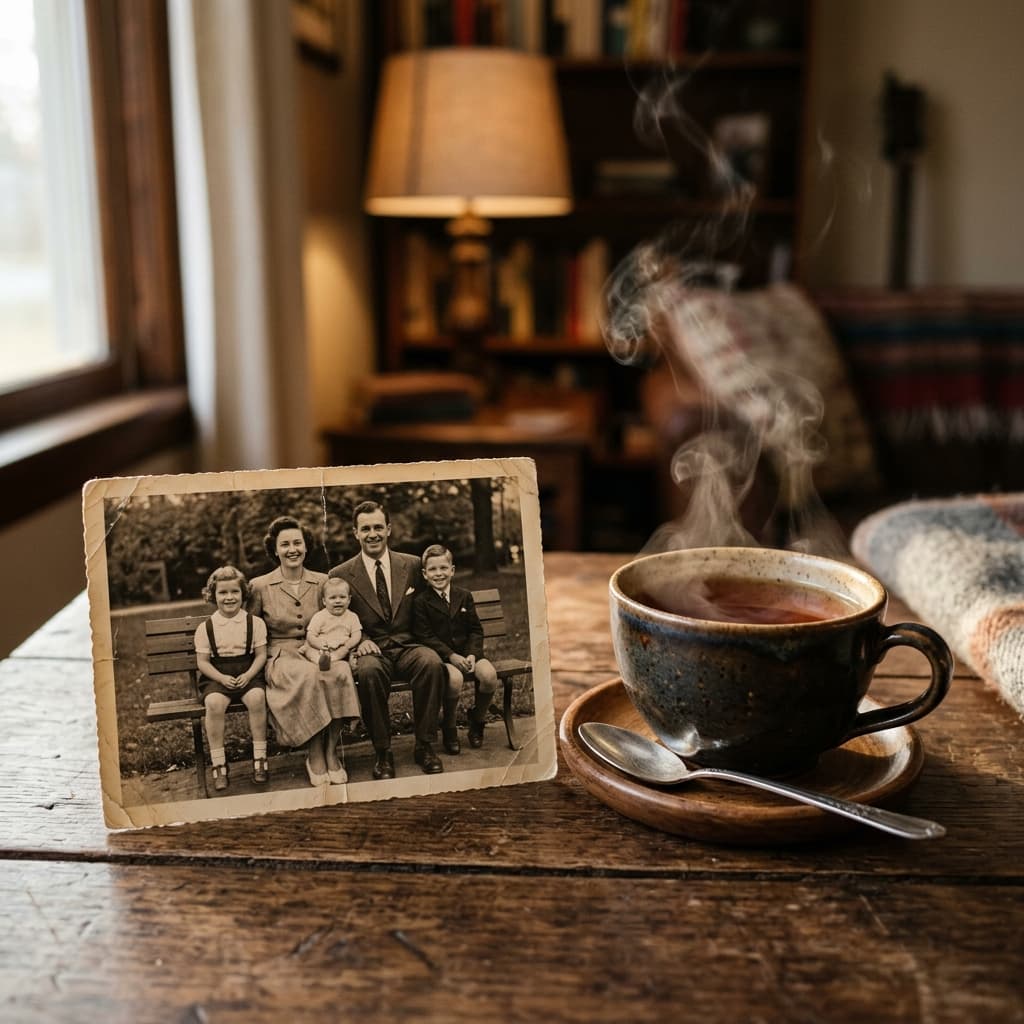
Our grandparents areliving libraries. They carry within them decades of wisdom, untold stories and life lessons that no book can ever contain. Yet, every day, these treasures disappear silently, carried away by the passing of time.
According to a study by the Fondation de France,530,000 elderly peoplelive in a state of severe isolation in France. Many of them have invaluable intangible wealth that just needs to be collected.
Here are the seven most valuable life lessons our elders can teach us — if we take the time to listen.
1. Happiness does not lie in things, but in connections
Our grandparents often grew up with little. No smartphone, no fast fashion, no home delivery. And yet, when they talk about their youth, it's never the objects they mention. These are thepeople: the neighbor who taught them to fish, the aunt who baked cakes on Sundays, the school friend found 40 years later.
What this means for us
In a world of overconsumption, this lesson is revolutionary:human relationships are the only investment that never loses its value.This is why it is so important topreserve his family's historybefore it fades.
2. Resilience is not a choice, it's a muscle
Our grandparents went through wars, economic crises, multiple bereavements and social upheavals that we struggle to imagine. And they are still there. Not because they were stronger than us, but because they learned, one day at a time, toget up.
The hidden lesson
Resilience does not come from the absence of pain, but fromrepeat reconstruction. Each challenge overcome strengthens the muscle. Ask your grandparents how they got through their hardest time. Their answer could save you.
3. Time is the only currency that matters
Ask an 85 year old what they would like back. The answer will never be “money”. It will always be “time". Time with his children when they were little. Time with your missing partner. Time to do what she never dared to do.
This awareness often comes too late. But if you receive it today, from your grandparents, it can radically change the way you prioritize your daily life.
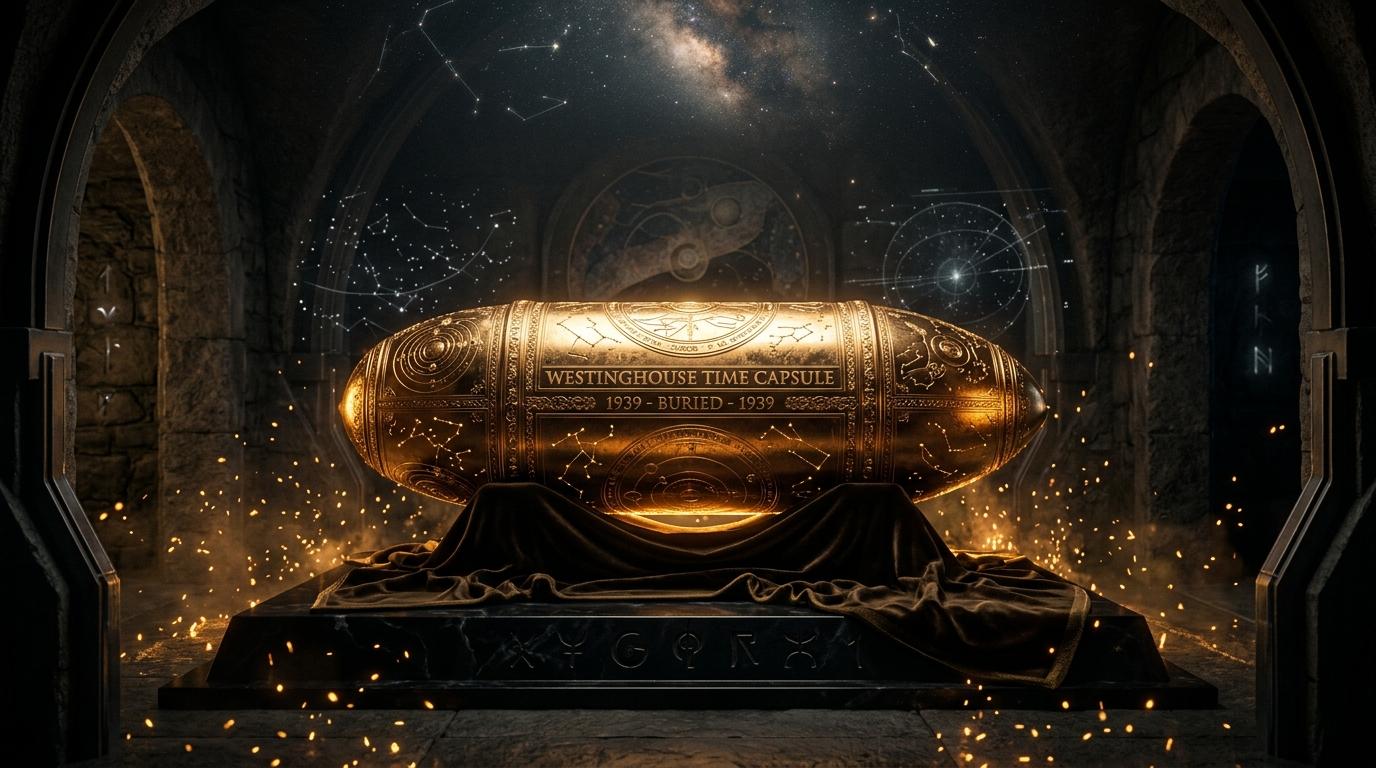
It is also this urgency of time that pushes many people to createtime capsulesto freeze important moments before they fade away.
4. Gratitude is an antidote to unhappiness
Our grandparents had a word for that, long before personal development took hold: “count your blessings". After experiencing periods of rationing, cold and fear, they had developed a natural ability to take joy in the little things.
A simple exercise passed down by the elders
Each evening, name three things you are grateful for. Not three big victories. Three little things: a ray of sunshine, a good meal, a smile from a stranger. It's the oldest exercise in the world, and it still works.
5. Love is proven by actions, not words
Our grandparents didn't say "I love you" every five minutes. Theyshowed. By a meal prepared with care, by a silent presence in difficult times, by a sacrifice whose existence we only learn after their departure.
The lesson for our generation
In the age of Instagram declarations and texted “I love yous,” this lesson is a powerful reminder:true love is silent and constant. He does not seek to be seen. He seeks to be felt.
Often, it is after the disappearance of a loved one that we discover the extent of these silent acts. This is why making asincere tributeallows us to put into words everything we haven't been able to say in time.
6. Boredom is a luxury, not a problem
Our grandparents knew how to be bored. Not because they had nothing to do, but because they understood thatboredom is the antechamber of creativity. It is in silence and emptiness that the best ideas, the most beautiful memories and the deepest conversations are born.
The contrast with our times
We live in a world where every second is filled with notifications, videos and stimulation. We have lost the ability to do nothing. And with it, we have lost the ability to think deeply, to dream freely, and to truly create.
Relearn boredom. Put down your phone. Sit down with your grandmother and let the silence do its work. It is often in these moments that the most beautiful stories emerge.
7. Death is not a taboo, it is a traveling companion
In previous generations, death was an integral part of daily life. We died at home, surrounded by family. The children saw their ancestors leave. Death was neither hidden nor sanitized. She wasnatural.
What we lost
By pushing back death in hospitals and nursing homes, we have created a society that hasfear. This fear prevents us from living fully, from anticipating our own departure and from preparing those close to us. Our grandparents knew that the awareness of death is the most powerful engine of life — a concept that the Stoics calledMemento Mori.
How to collect these lessons before they disappear
If this article touched you, here are three concrete actions to take this week:
- Call your grandparents(or an elder close to you). Ask themthe 10 existential questionswho reveal their true story.
- Record the conversation. A simple voice recording on your phone is enough. This audio trace will become an invaluable treasure in 10 years.
- Preserve these words. Use The Posterity Project to put these recordings, anecdotes and lessons into a digital spacesecure and eternal.
The wisdom of our grandparents is the most beautifulintangible heritagethat we can receive. But unlike a financial inheritance, it has an expiration date. Collect it while there is still time.