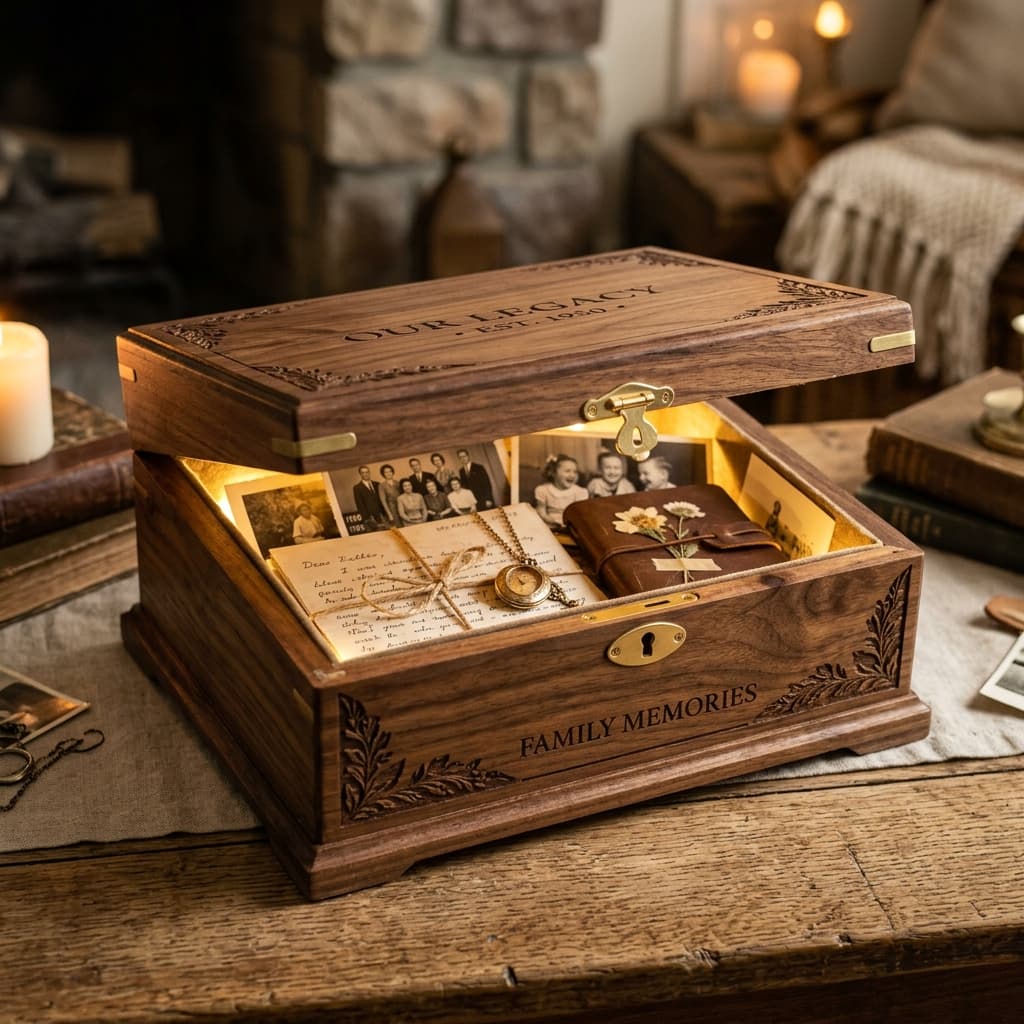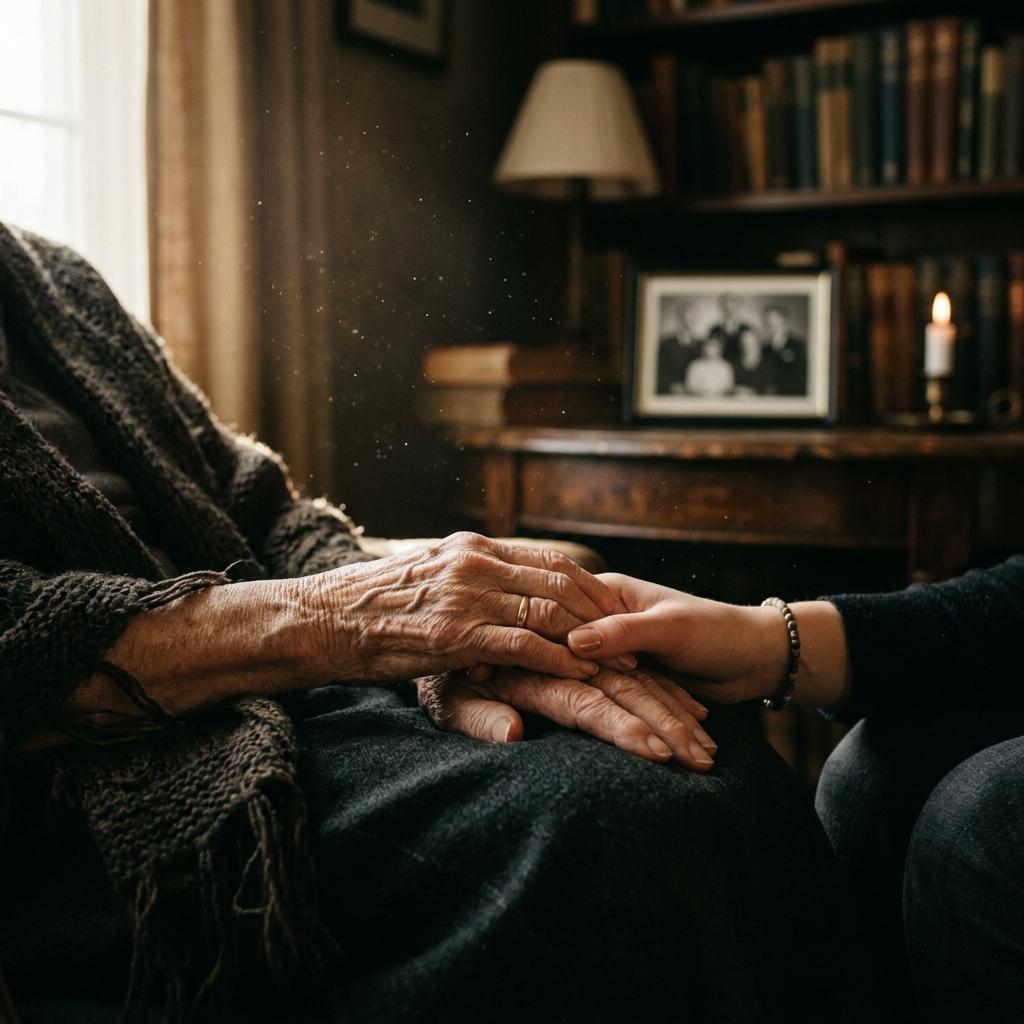
The announcement of a neurodegenerative disease often disrupts family balance. Faced with Alzheimer's disease, senile dementia, or age-related memory loss, medical urgency takes precedence at first. Then comes a more intimate and equally burning anxiety for the family: the fear of seeing the family's history evaporate. How can we preserve this intangible heritage before it's too late?
1. Understanding memory to better support it
To successfully gather the history of a parent or grandparent suffering from cognitive disorders, it is essential to understand how the disease works. Generally, short-term memory (recent events) is the first to be impaired. In contrast, old autobiographical memory (childhood, youth) resists much longer, even if the disease gradually eats away at the capabilities.
Milan Kundera rightly stated: "Memory does not make films, it makes photographs." Faced with cognitive decline, the goal is not to have them write a perfect chronological autobiography, but to capture these mental "photographs" (flashes of insight, emotions, specific anecdotes) while neurological connections still allow it.
2. The art of the interview: using the right words
The most common mistake is to confront the person with their own forgetfulness by asking: "Do you remember the year you were born?". This generates frustration, anxiety, and can severely block the conversation. Always favor an open and encouraging approach.
Instead of interrogating, suggest: "I would love it if you could tell me how you and grandfather met...". Leave blanks. Accept the silences. If the chronology is disjointed or historical elements overlap, never interrupt to correct. The authenticity of the narrative matters far more than encyclopedic accuracy.
3. Stimulating the senses: the key to locked doors
Neurology teaches us that emotional and sensory memory is one of the most tenacious. To revive buried memories, verbal language is sometimes not enough. The senses are the direct doorway to affective memory.
- Olfactory and gustatory stimulation: The smell of a childhood stew or a specific perfume has the incredible power to bypass cognitive blocks, triggering memories tied to maternal or paternal affection.
- The power of music: The brain areas linked to melody are preserved very late in Alzheimer's disease. Play popular songs from their youth. Very often, the lyrics come right back.
- Tangible objects: An old photo album with yellowed pages, a wedding ring, an old piece of clothing, a work tool. Touching an object provides a reassuring material anchor to ground thought and free speech in a safe space.
4. The importance of voice or video: beyond writing
Many families try to transcribe these moments of sharing onto paper hoping to make a book out of it. While the intention is noble, writing alone amputates a colossal part of human emotion.
Victor Hugo, regarding the immortality of memory, said: "Those we have loved and who have left us are no longer where they were, but they are everywhere we are." To feel this reassuring presence decades later, voice incorporates an irreplaceable intimacy. Their laughter, the characteristic accent of their region, the hesitation in their breath... the recording reveals the soul of the person in an incredibly vivid way.
5. Protecting and securing these archives from time
Once audio or video confidences are carefully collected, a major practical challenge remains: how to guarantee these files are not accidentally destroyed? Passing down a legacy also means ensuring it survives the test of decades in today's digital world, where fragility reigns (lost USB drives, damaged hard drives, stolen phones).
It is fundamental to migrate these recordings to an ecosystem designed for permanence. This is the ambition of tools like The Posterity Project: acting as an ultra-secure digital vault where families can entrust a lifetime's memories, knowing they will be encrypted, maintained by robust infrastructure, and available for their children in 10 or 50 years.
Conclusion: Gathering memories as a remedy
Accompanying a loved one with a neurodegenerative disease in the archaeological dig of their own life produces a real therapeutic benefit. For the patient, it's a golden opportunity to feel valued in the face of a diagnosis that devastates self-esteem. For the caregiver, it's the relief of having fulfilled an invaluable duty of transmission. You then transform the inevitable anxiety of this medical forgetting into a living, unalterable family legacy.