What is a digital cemetery?
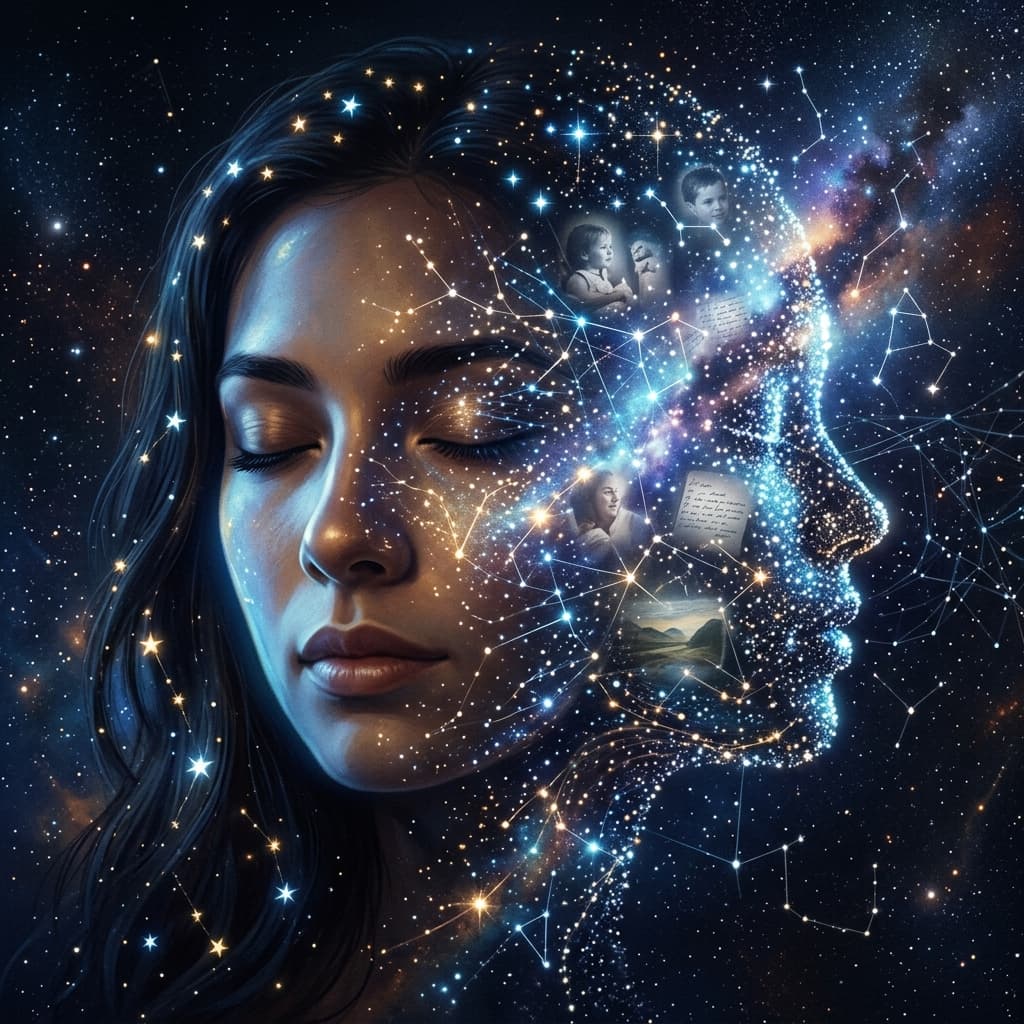
A digital cemetery is an online space dedicated to the memory of the deceased. Unlike a physical cemetery, it is not limited by geography or time. It brings together in one place a person's biography, photos, videos, voice messages, and testimonials from loved ones.
The concept isn't entirely new. Since the early days of the internet, genealogy sites and memorial pages have existed. But modern digital cemeteries go much further: they create true interactive sanctuaries, accessible to everyone, anywhere in the world.
Why are digital cemeteries growing?
Several factors explain the rise of digital cemeteries:
- Geographic mobility — Families are now spread across multiple continents. Visiting a grave can become impossible for some members. The digital cemetery offers a place of remembrance accessible from a smartphone.
- Multimedia richness — A marble headstone carries a name and two dates. An online memorial space can host hours of videos, dozens of photos, recordings of the deceased's voice.
- Permanence — Physical cemeteries require constant maintenance. Some concessions expire after 30 years. A digital cemetery built with solid infrastructure can span centuries.
- Evolving funeral practices — Cremation, constantly increasing, doesn't always leave a fixed place of remembrance. The digital cemetery fills this void.
Digital cemetery vs virtual cemetery: what's the difference?
Both terms are often used interchangeably, and rightly so: they refer to the same concept. "Digital cemetery" emphasizes preservation technology, while "virtual cemetery" highlights the dematerialization of the memorial space. In both cases, it's an online place where families can honor their deceased.
How does a digital cemetery work?
The principle is simple. A user creates a space dedicated to a deceased person — or to themselves, during their lifetime. This space typically contains:
- A detailed biography with key life dates
- A photo and video gallery
- Voice messages to preserve the person's voice
- A testimonial space where loved ones can write a memory
- A commemorative QR code that can be attached to a grave, urn, or symbolic place, creating a bridge between the physical world and the digital cemetery
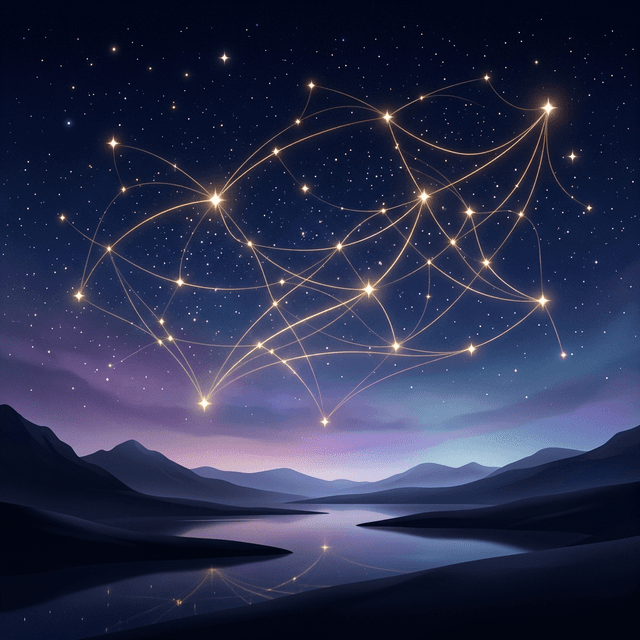
On Posterity, for example, each published tribute appears in a "digital sky" — a poetic constellation where each star represents a life. Visitors can navigate through this universe, discover stories, and pay tribute.
The QR code: bridging the grave and the digital cemetery
One of the most innovative aspects of modern digital cemeteries is the commemorative QR code. This small code, engraved or attached to a headstone, monument, or memorial object, allows anyone who scans it to instantly access the complete memorial space of the deceased.
This technology transforms physical remembrance. A visitor at a grave no longer has just a name and two dates: they access the voice, images, and complete story of the person. The QR code is the tangible link between the real world and the digital cemetery.
Privacy and permanence concerns
Two concerns regularly arise among users:
Privacy — Who can see the information? Responsible digital cemeteries offer granular controls: public profiles, private ones, or those accessible only via a direct link.
Permanence — What happens if the platform closes? This is the most legitimate question. Serious platforms use decentralized storage technologies (like the Arweave blockchain) to ensure data survives the company itself.
The future of the digital cemetery
The concept of the digital cemetery is still young, but its adoption is accelerating. With the aging of the connected population, more and more people are preparing their memory online during their lifetime. Advances in augmented reality could one day allow "visiting" a digital cemetery in 3D, while artificial intelligence could help reconstruct and organize scattered memories.
What is certain is that the need for memory is universal and timeless. The digital cemetery doesn't replace the grave: it completes it, enriches it, and makes it accessible to all generations, regardless of distance. To learn more, discover how digital grief is transforming our relationship with loss.